



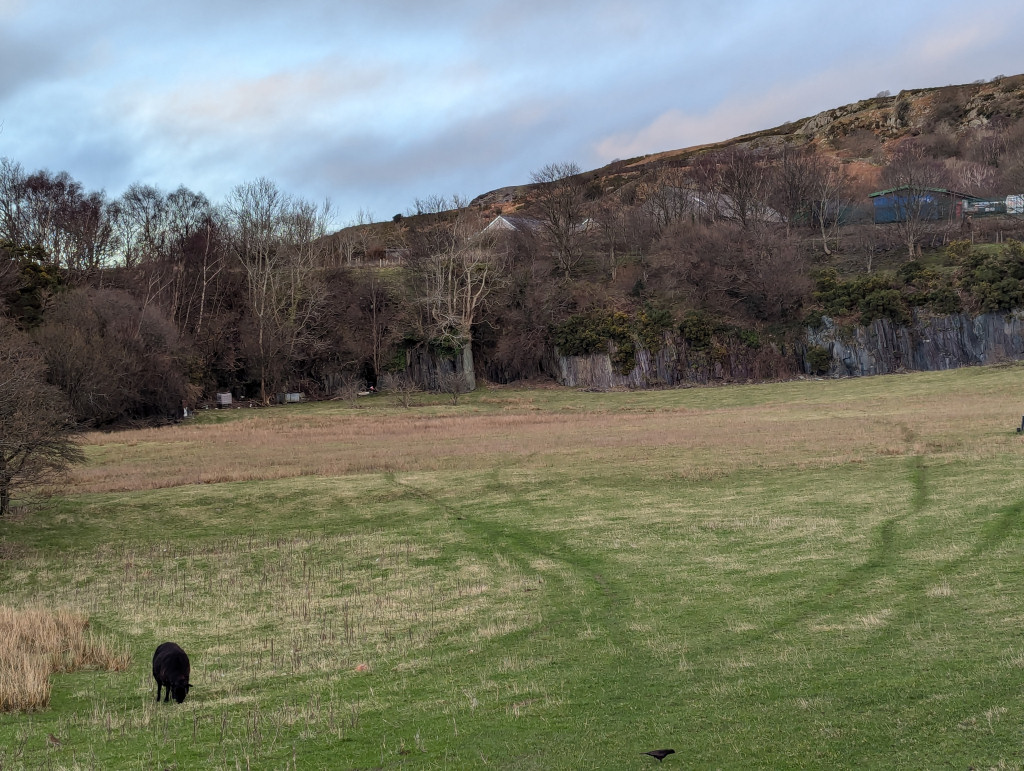
Pit/Underground. Landscaped, although there is some quarry housing nearby.
Began operations around 1850 as a combination of a pit with underground workings. It experienced significant expansion during the 1860s and 1870s before entering a period of steep decline in the late 1870s. The site utilized steam haulage and locomotives for transport, and there is also a record of it employing a water balance system. Following the major industrial disputes of the early 20th century, the quarry operated as part of the North Wales Slate Quarries workers’ co-operative starting in 1903. It finally closed in 1911 after a period of joint operation with the Moel Faban and Tan y Bwlch quarries. The site was briefly re-opened in the 1920s in an unsuccessful attempt to manufacture slate powder!
Publications (5)
- Gwyn, David, (2015); Welsh Slate: archaeology and history of an industry; Royal Commission on the Ancient and Historical Monuments of Wales; 9781871184518
- Lindsay, Jean (1974); History of the North Wales Slate Industry; David & Charles; pp.327; ISBN 0-71536-264-X
- Richards, Alun J. (2013); Slate Quarrying in Wales; Gwasg Carreg Gwalch; ISBN 1-84527-026-6
- Richards, Alun John (1991); Gazeteer of the Welsh Slate Industry, A; Gwasg Carreg Gwalch 978-0863811968
- Richards, Alun John, (1999); The Slate Regions of North and Mid Wales and their Railways; Gwasg Carreg Gwalch; 0863815929


